
Anti-Counterfeiting Insights & Brand Protection Intelligence
In-depth research and investigations for manufacturers, brand managers, and packaging engineers into counterfeit trade routes, duplicate scan detection, and digital product authentication.
Browse Anti-Counterfeiting & Brand Protection Articles
Explore investigations into counterfeit supply chains, product authentication solutions, anti-counterfeit QR code systems, and our product verification workflow.
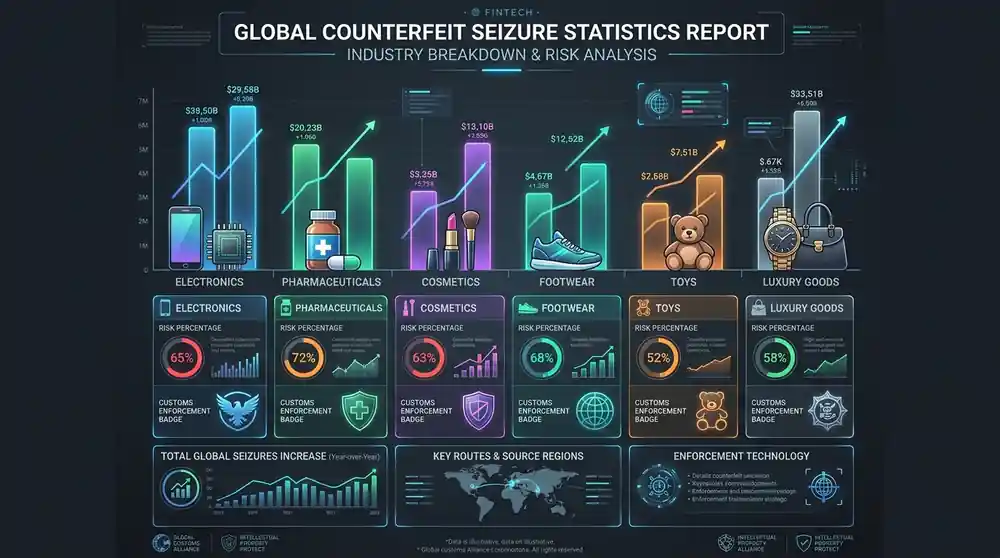
Counterfeit Products by Industry: Global Seizure Statistics and Risk Analysis (2026 Report)
Apparel, footwear, and luxury leather goods account for over 50% of global counterfeit customs seizures by volume, followed closely by consumer electronics, personal care cosmetics, pharmaceuticals, and automotive components. According to joint OECD-EUIPO and U.S. CBP customs data, cross-border counterfeit trade exceeds $467 billion annually, with small postal and courier parcels representing more than 80% of all border detentions.
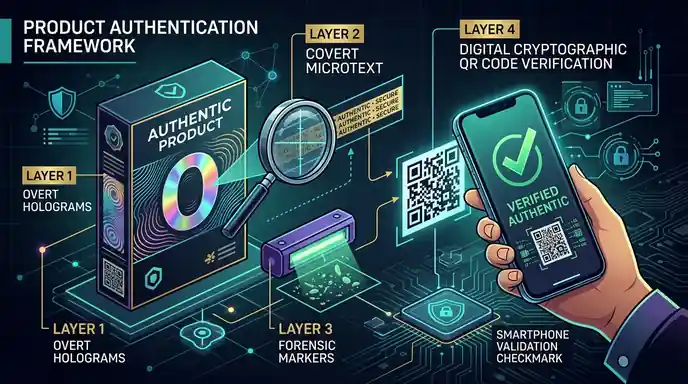
What Is Product Authentication? Definitions, Technologies, and Modern Implementation
Product authentication is the formal process of verifying that a physical good is genuine, authorized, and produced by its legitimate trademark owner. Modern authentication relies on four complementary technology tiers: overt physical features (visible holograms and color-shifting inks), covert markers (microtext and invisible UV pigments), forensic markers (chemical taggants), and digital serialization (cryptographic QR codes and cloud telemetry).

QR Codes for Product Traceability: Architecture, Standards, and Real-World Implementation
QR codes for product traceability bridge physical items and digital cloud databases by embedding item-level serial identifiers, batch lot codes, and standardized web URIs. Unlike legacy 1D UPC barcodes that only identify generic SKU categories, 2D traceability QR codes enable granular custody handoffs, instant recall isolation, and consumer-facing smartphone authentication.

How to Detect Counterfeit Products: A Data-Driven Guide for Brands and Consumers
To detect counterfeit products, inspect tactile packaging materials, scrutinize batch font alignment, verify distribution channels, and scan item-level serialized digital codes. While counterfeiters easily replicate visual logos and static barcodes, dynamic cryptographic verification flags copied serials and duplicate scans instantly.
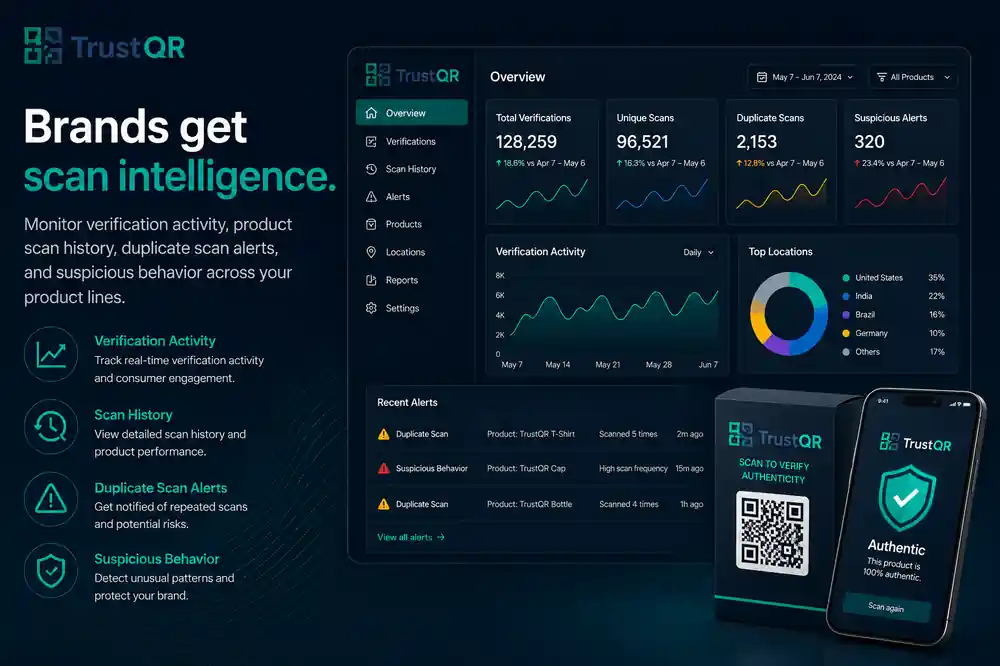
QR Code Explained: History, Standards, Engineering, Scanning and Product Authentication
A QR code is a standardized two-dimensional matrix barcode invented by DENSO WAVE in 1994. It stores data in black and white modules, adds Reed–Solomon error-correction codewords, applies a mask to improve readability, and is decoded from a camera image by locating its three finder patterns, correcting perspective, sampling the module grid, reversing the mask, and repairing recoverable errors. QR became an international ISO standard in 2000; phone-camera support arrived through software, not a special camera standard, and became mainstream in stages.
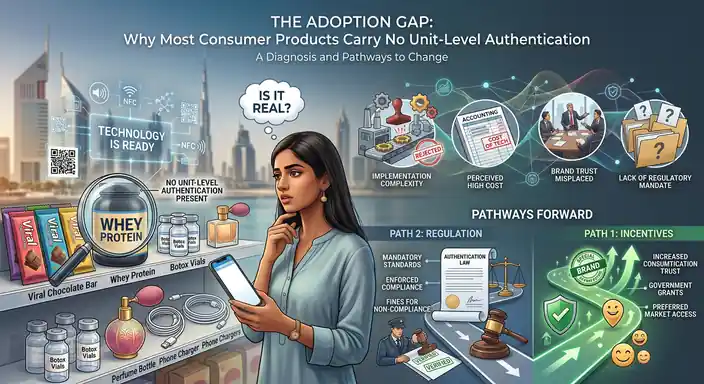
The Adoption Gap: Why Most Manufacturers Still Don't Use Anti-Counterfeit Authentication and How to Change That
Why manufacturers still delay anti-counterfeit authentication and how incentives, regulation, and QR verification can close the adoption gap.
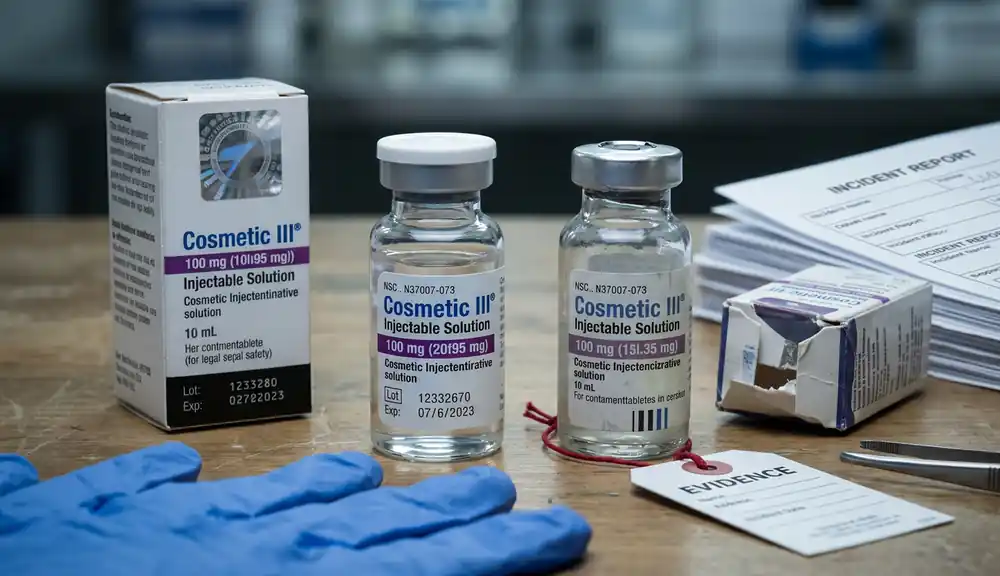
The Most Dangerous Counterfeit in Beauty: How Fake Botox Sent 11 People to the Hospital and What It Is Costing the World's Most Famous Cosmetic Brand
How counterfeit Botox caused hospitalizations and why product-level verification matters for injectables, cosmetics, and consumer safety.
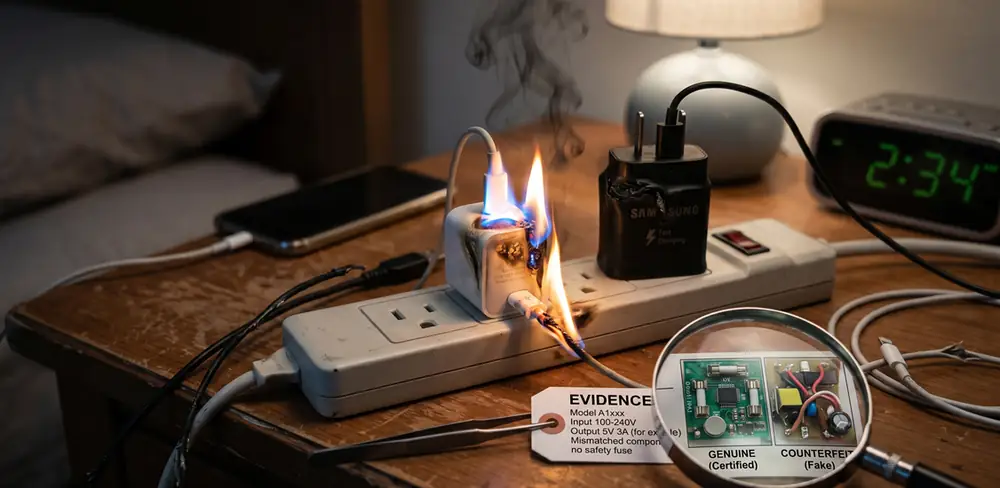
Plugged Into Danger: How Counterfeit Apple and Samsung Chargers Became One of the Most Dangerous Counterfeit Categories in Your House
How counterfeit Apple and Samsung chargers create fire, shock, and brand-risk problems that product authentication can help reduce.
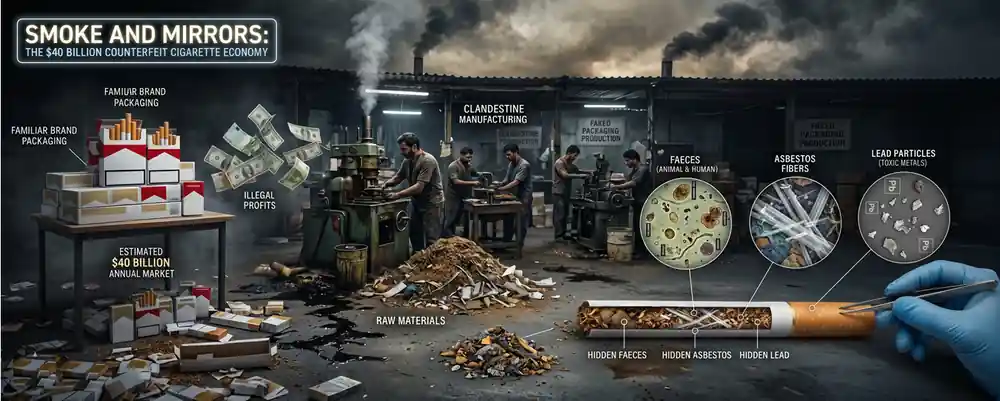
Smoke and Mirrors: The $40 Billion Counterfeit Cigarette Economy Where Tobacco Counterfeiting Hides Lead, Asbestos, and Even Faeces Inside Familiar Brand Packaging
A data-driven look at counterfeit cigarettes, toxic contamination, tax losses, and the limits of traditional tobacco enforcement.

The Dubai Chocolate Phenomenon: How Counterfeit Production Is Eating Into a Billion-Dollar Brand and the Path to a Verified Solution
How counterfeit Dubai chocolate and lookalike viral products damage brands, consumers, food safety, and market trust.
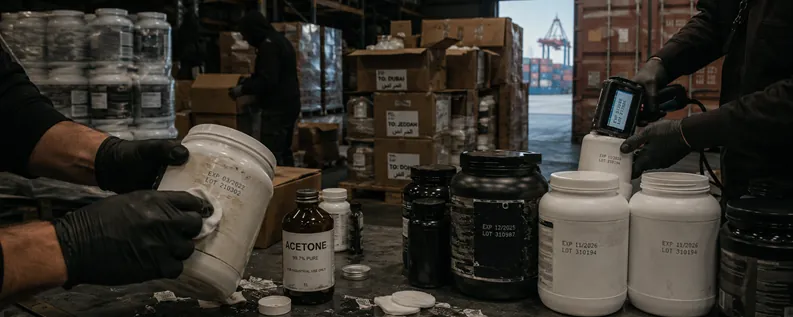
The Acetone Trade: Inside the Multi-Million-Dollar Scheme Smuggling Expired Western Supplements Into the Middle East With Their Dates Erased and Reprinted
An investigative report on expired Western supplements relabelled with erased and reprinted dates for resale in the Middle East.

Where the State Falls Short: Weak Laws, Slow Labs, and the Public-Sector Failure to Stop Counterfeit Products
Why weak laws, slow laboratories, customs limitations, and jurisdiction gaps prevent governments from stopping counterfeit products alone.
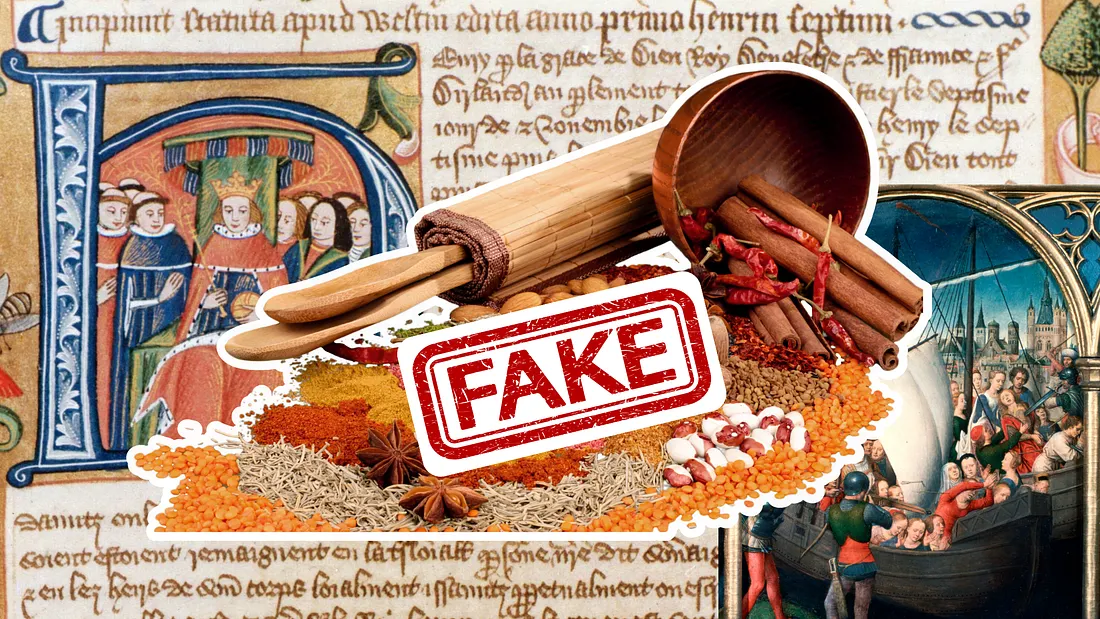
The Long Con: A History of Product Counterfeiting from Pliny to the Digital Age
A historical journey through 2,500 years of product counterfeiting, from Roman wine fraud to modern QR verification.
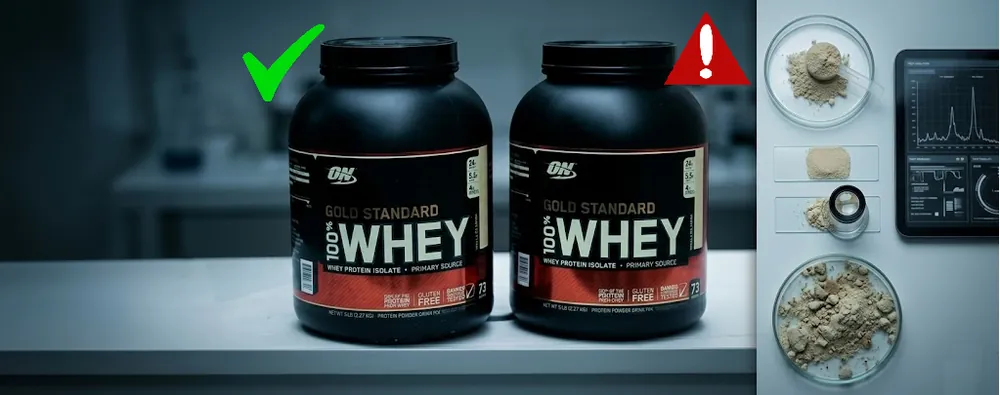
The Dark Side of the World's Best-Selling Whey Protein: How Counterfeit Optimum Nutrition Gold Standard Is Costing the Brand Millions and Sending Real Consumers to the Hospital
How counterfeit Optimum Nutrition Gold Standard Whey harms consumers, steals revenue, and exposes supplement brands to reputation risk.
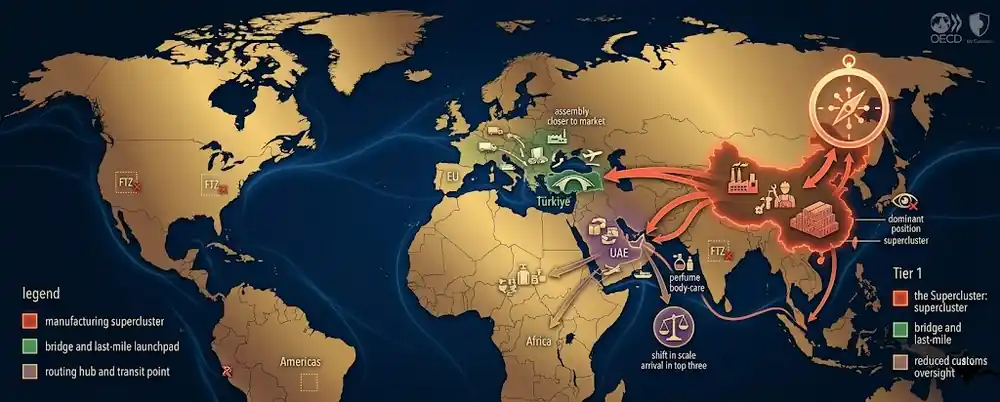
The World Map of Fakes: Where Counterfeit Products Actually Come From
A country-by-country map of where counterfeit goods come from, how they move, and why product-level authentication matters.
Related TrustQR pages
TrustQR Platform Features
Explore duplicate scan detection, scan analytics, location signals, contactless tags, and brand protection controls.
How QR Code Product Verification Works
See how products connect to digital verification records and how customers receive clear authenticity results.
QR Code and Contactless Tag Pricing
Compare usage-based pricing for QR code verification and contactless tag protection.
Anti-counterfeit research references
These references support the broader editorial context for TrustQR articles about counterfeit goods, intellectual property crime, consumer safety, and product-level authentication.