It protects more than trademarks.
For product-based companies, brand protection is not only a legal concern. It is also a customer trust issue because customers often blame the real brand for fake product failures.
 TrustQR TrustQR
 TrustQR helps brands protect customers and strengthen trust through QR code product verification, product authentication, duplicate scan detection, suspicious scan alerts, and real-time scan intelligence.
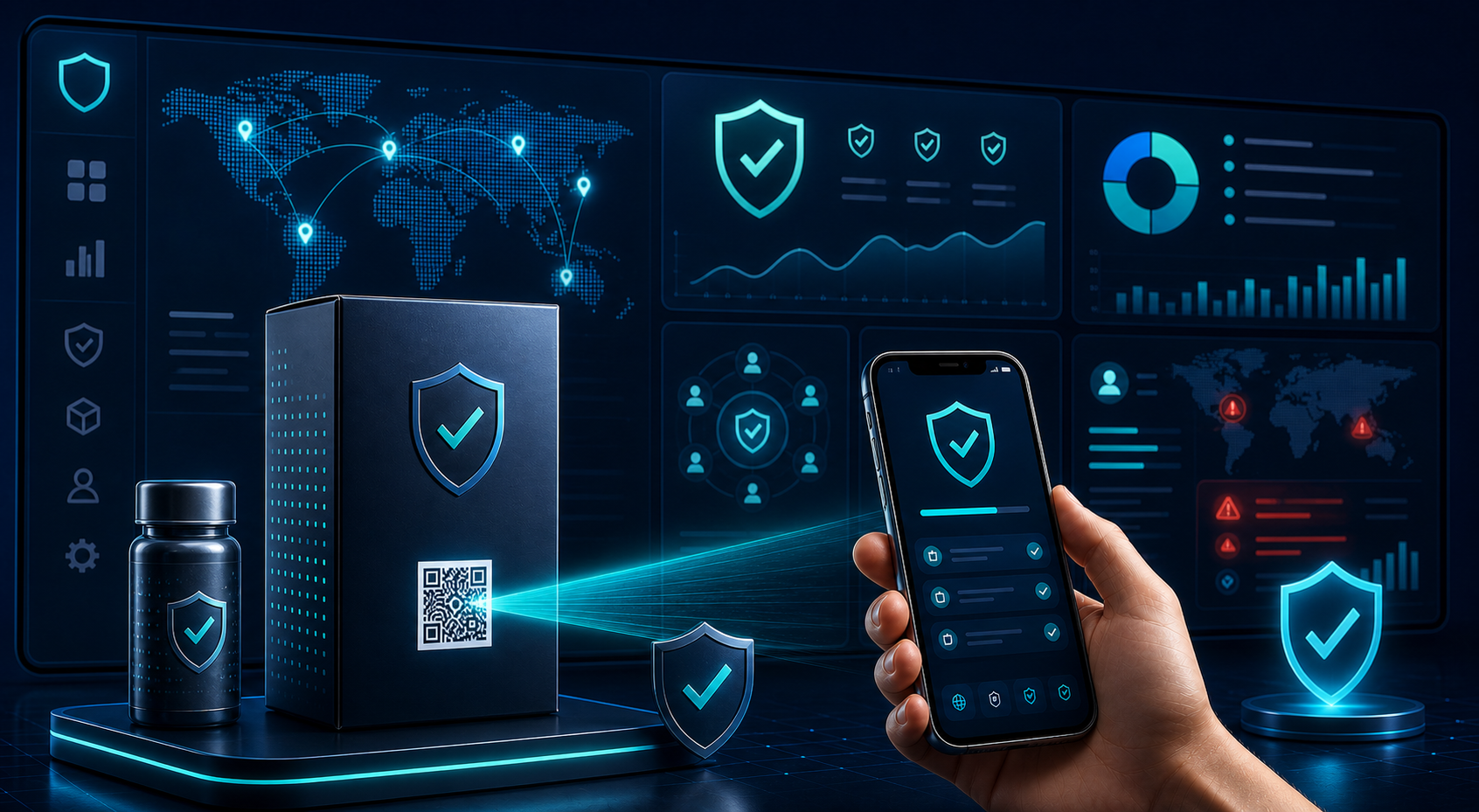
Brand protection is a strategy used by companies to protect products, reputation, customers, and revenue from counterfeiting, imitation, and unauthorized use. Modern brand protection often includes product verification, authentication, QR scanning, market monitoring, and suspicious activity detection.
TrustQR supports brand protection with QR code product verification, product authentication, duplicate scan detection, scan analytics, and customer-facing authenticity checks.
Protect brand reputation
Help customers verify authenticity
Detect suspicious scan activity
Reduce counterfeit product risk
Improve supply chain visibility
Strengthen customer trust
Support anti-counterfeit strategy
Brand protection is the strategy and set of tools used to defend a company's products, identity, reputation, and customers from misuse.
For product-based companies, brand protection is not only a legal concern. It is also a customer trust issue because customers often blame the real brand for fake product failures.
QR code verification gives customers a simple authenticity check and gives brands visibility into suspicious scan patterns that static packaging cannot reveal.
A brand represents trust. When customers buy a product, they expect quality, safety, authenticity, and accountability.
Customers expect consistent product quality from the genuine brand.
Unsafe counterfeit products can damage confidence and create real consumer risk.
Buyers increasingly want proof that a product is genuine.
Customers often blame the brand when a fake product creates a bad experience.
TrustQR turns verification into both a customer trust tool and a brand intelligence tool.
Each genuine product receives a secure digital identity that connects the physical item to a brand-controlled record.
Customers scan a QR code to check whether a product appears authentic before purchase or use.
TrustQR monitors where products are scanned, how often codes are scanned, and whether the same code is reused.
Duplicate scans, unusual markets, and unexpected behavior can help brands identify emerging counterfeit risk.
Brands use scan analytics and verification history to support customer trust, distributor conversations, and investigations.
Counterfeit product risk can affect revenue, reputation, customer safety, and distributor confidence.
OECD and EUIPO research reports that counterfeit and pirated goods create substantial economic harm for rights holders.
Counterfeit products can damage consumer trust because customers may associate poor quality with the genuine brand.
Counterfeit medicines, supplements, cosmetics, food, and electronics may create health or safety risks for consumers.
Without product-level verification, brands may discover counterfeit issues only after complaints or distributor reports.
Product-level verification helps brands see risk sooner and helps consumers make safer decisions.
TrustQR helps brands reduce counterfeit risk, improve customer confidence, protect market reputation, support distributor relationships, and collect actionable scan intelligence.
QR code verification helps customers check authenticity before use, avoid suspicious products, confirm product information, and build trust in the manufacturer.
TrustQR provides a practical brand protection layer for product companies.
A supplement brand receives product quality complaints in a market where it does not officially distribute. Genuine products use TrustQR codes on every package.
TrustQR identifies repeated scans from copied codes in that market, giving the brand a signal to investigate possible counterfeit distribution.
Customers can verify authenticity with a QR code scan while the brand monitors verification history from the dashboard.
Legal and packaging controls matter, but product-level verification creates a direct customer trust touchpoint.
| Feature | Trademark Monitoring | Hologram Label | Basic QR Code | TrustQR Brand Protection |
|---|---|---|---|---|
| Customer Verification | No | Limited | Partial | Yes |
| Product Authentication | No | Limited | Partial | Yes |
| Duplicate Scan Detection | No | No | No | Yes |
| Scan Analytics | No | No | No | Yes |
| Suspicious Activity Alerts | No | No | No | Yes |
| Brand Dashboard | No | No | No | Yes |
| Customer Trust Touchpoint | No | Limited | Limited | Yes |
Brand protection matters wherever counterfeit products can damage trust, safety, and reputation.
Protect customer trust and identify possible counterfeit distribution.
Support authenticity checks for premium beauty products.
Increase transparency and confidence.
Support authentication and patient safety initiatives.
Help customers avoid potentially unsafe counterfeit products.
Provide a simple verification layer for physical products.
TrustQR helps product brands monitor signals connected to counterfeiting, misuse, relabeling, and unauthorized distribution.
TrustQR is operated by TrustQR Ltd, a UK-registered SaaS company focused on QR code product verification, product authentication, anti-counterfeit protection, scan intelligence, and brand protection.
Direct answers for brands comparing product verification, authentication, and anti-counterfeit monitoring.
Brand protection is the process of protecting a company's products, customers, reputation, and revenue from counterfeiting, imitation, misuse, and unauthorized distribution.
TrustQR supports brand protection through QR code product verification, product authentication, duplicate scan detection, suspicious scan alerts, and scan analytics.
No. Small and growing brands can also benefit from product verification and anti-counterfeit monitoring.
QR code verification gives customers a simple way to check authenticity and gives brands visibility into scan activity.
Brand protection is the wider strategy. Product authentication is one tool within that strategy.
Yes. When customers can verify authenticity, they are more likely to trust the product and the brand.
Supplements, cosmetics, food, pharmaceuticals, electronics, retail products, and consumer goods can benefit from brand protection.
TrustQR can help identify suspicious duplicate scan patterns that may indicate copied codes or counterfeit activity.
Yes. TrustQR provides scan history, scan analytics, and brand dashboard visibility.
Explore the product-level systems that support a practical brand protection program.
Review how QR verification creates a live authenticity check for customers.
See how copied-code signals and suspicious scan patterns help identify counterfeit risk.
Understand authentication methods and how they connect to product trust.
Help customers verify authenticity, detect suspicious activity, and protect your brand reputation with TrustQR.
These references support the market, safety, standards, and intellectual-property context behind brand protection, product verification, and anti-counterfeit monitoring.